Pregnancy & Postnatal Care Gold Coast
Pregnancy and the postnatal period bring significant physical changes to the body, and the pain, discomfort, and functional limitations that can come with them are not something you simply have to accept.
Whether you are dealing with pelvic girdle pain, lower back pain, rib pain, round ligament discomfort, or postnatal recovery following a vaginal or caesarean birth, The Good Joint provides safe, effective, and appropriately adapted treatment throughout pregnancy and in the postnatal period.
Book Now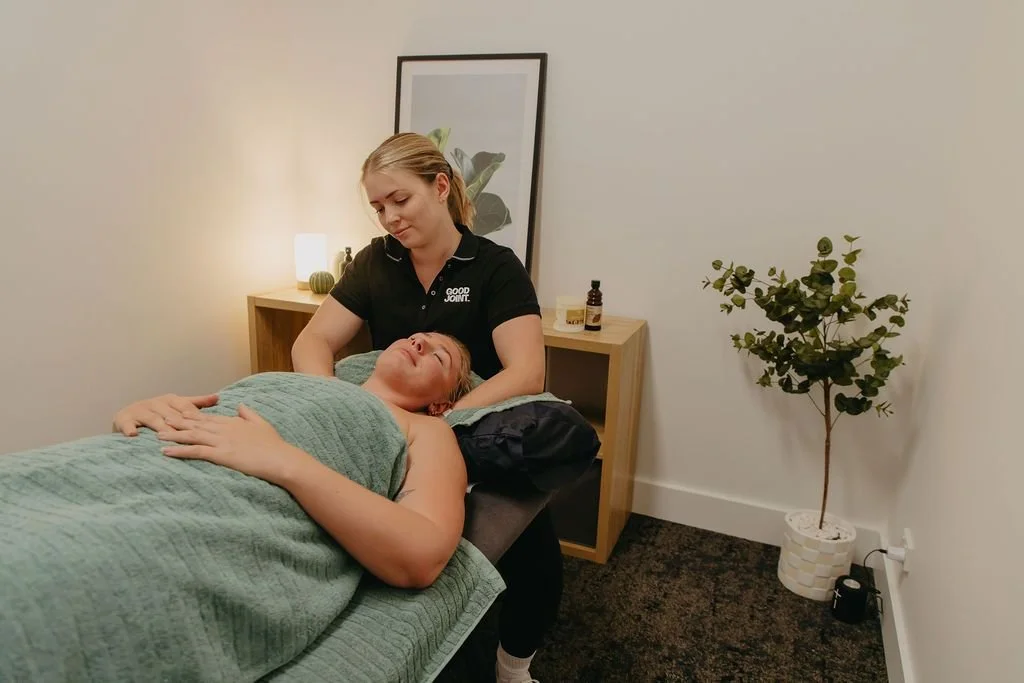
How Pregnancy & Postnatal Care Supports Your Body
Pregnancy-Related Pain & Discomfort
The physical demands of pregnancy, including postural shifts, hormonal changes to ligament laxity, and the growing load of the baby, place significant strain on the spine, pelvis, and surrounding soft tissue. Many of these discomforts are highly manageable with the right treatment and do not need to simply be endured until after the birth.
Pelvic Girdle Pain & Lower Back
Pelvic girdle pain is one of the most common and debilitating pregnancy conditions, affecting the sacroiliac joints, pubic symphysis, and surrounding structures. Lower back pain is also extremely common, driven by altered posture, hormonal changes, and the shifting centre of gravity. Both conditions respond well to targeted, pregnancy-safe manual therapy and exercise.
Postnatal Recovery & Return to Activity
The postnatal period presents its own physical challenges, from recovery after a vaginal or caesarean birth through to the demands of feeding, carrying, and caring for a newborn. Postnatal assessment and rehabilitation addresses core function, pelvic floor recovery, diastasis recti where present, and a graded return to exercise and daily activity.
At The Good Joint, all treatment during pregnancy and the postnatal period is adapted to be safe, effective, and appropriate to your stage of pregnancy or recovery, and delivered by practitioners with experience in perinatal musculoskeletal care.
Book Visit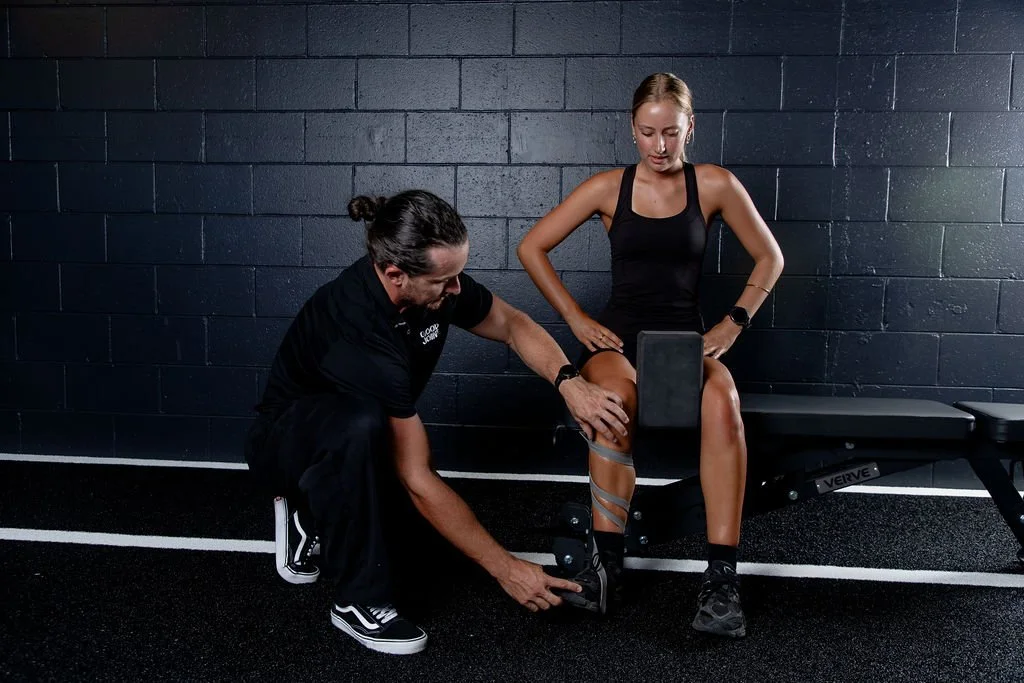
WHAT TO EXPECT DURING YOUR FIRST VISIT
Discussion:
A brief chat about what's brought you in and how it has been impacting your lifestyle.
Physical Assessment:
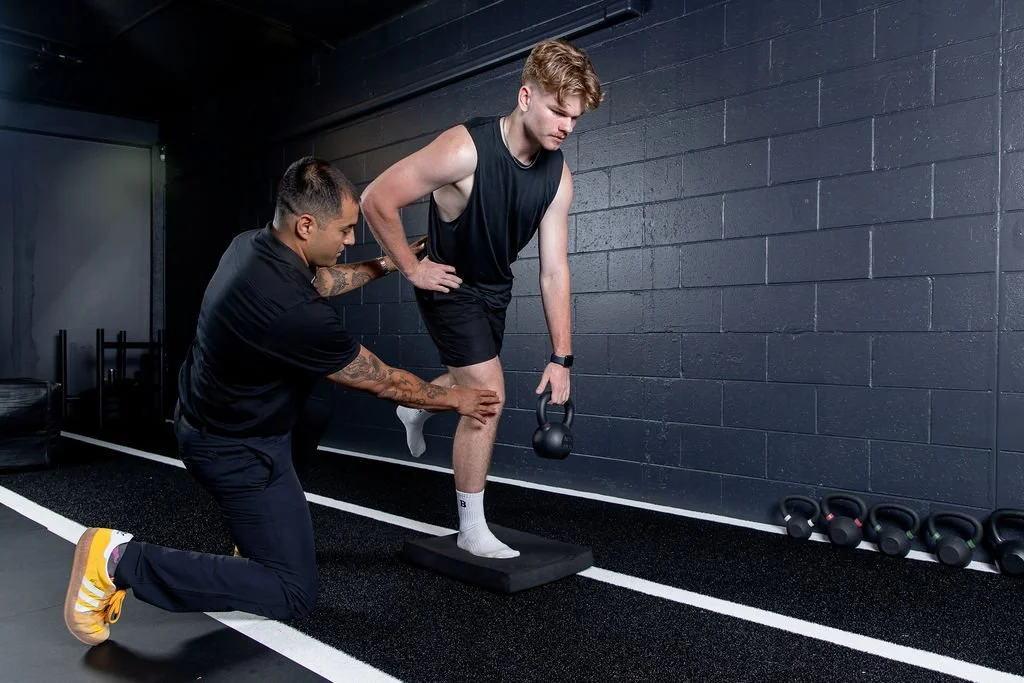
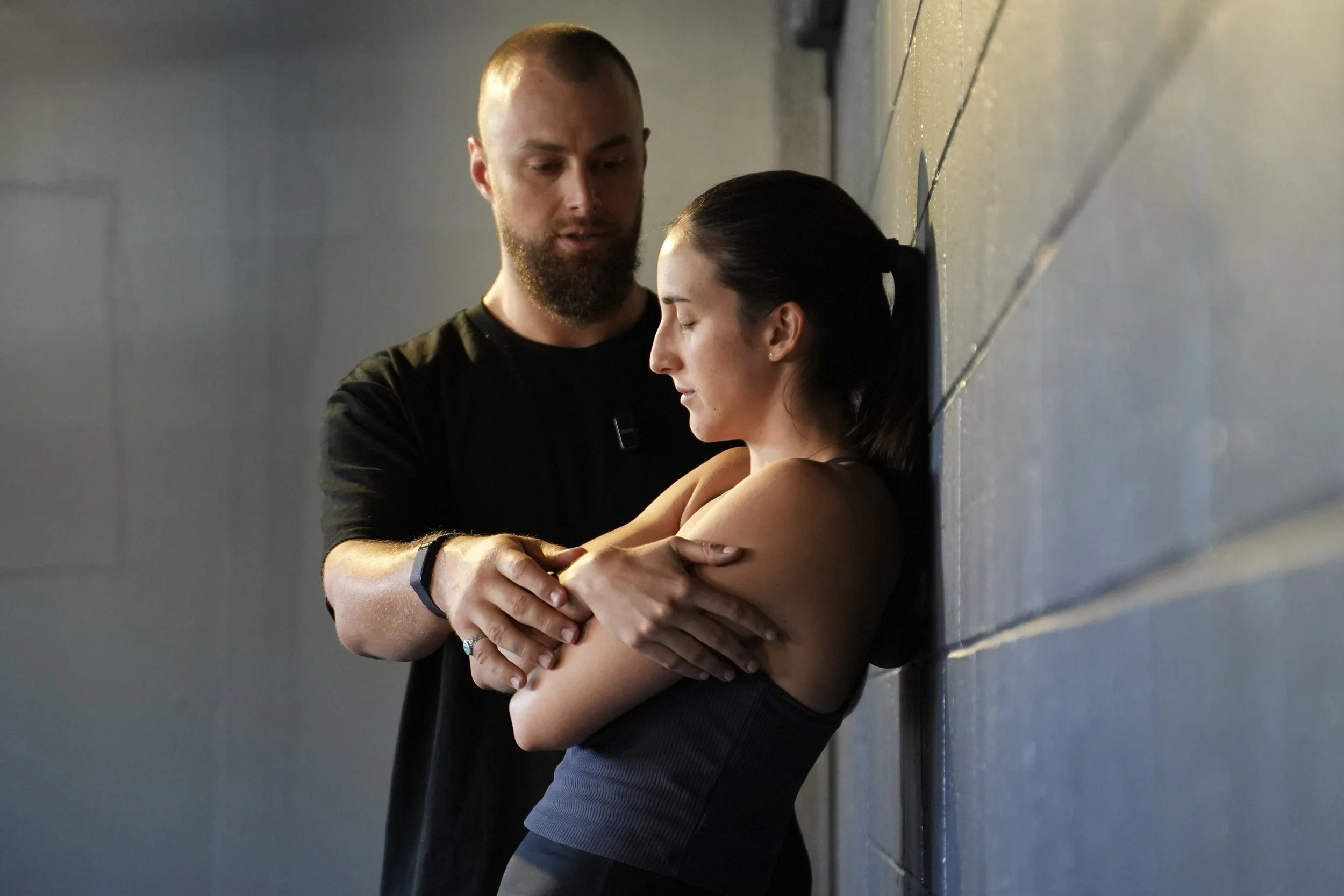
Functional testing to assess and identify underlying factors contributing to your symptoms.
Recovery Plan:
A tailored approach for working on your specific needs, including personalised exercise prescription.
Treatment:
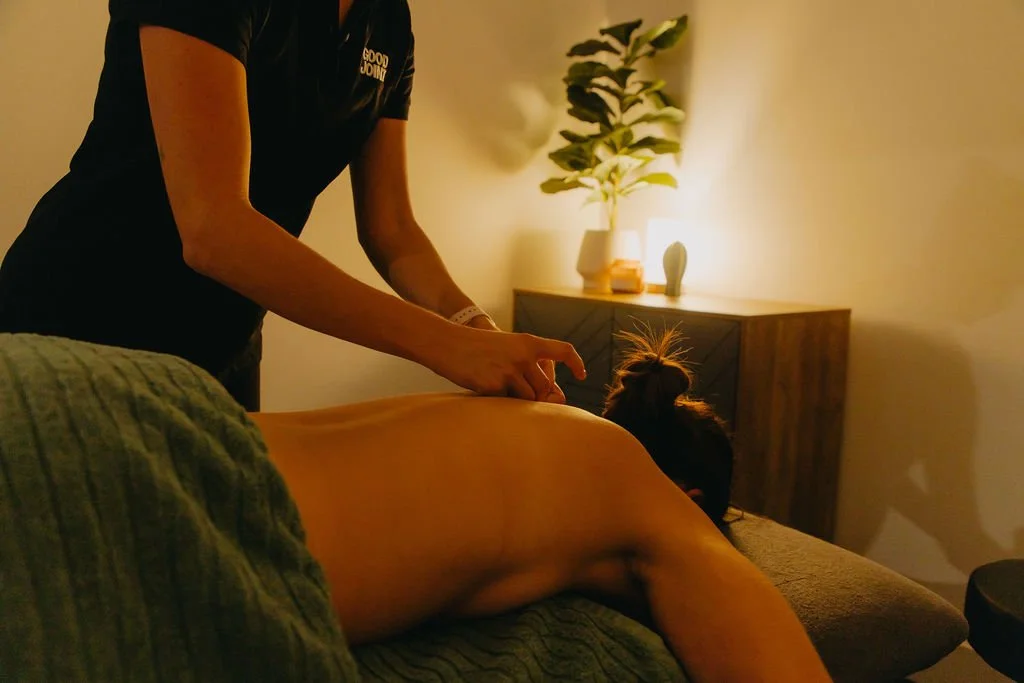
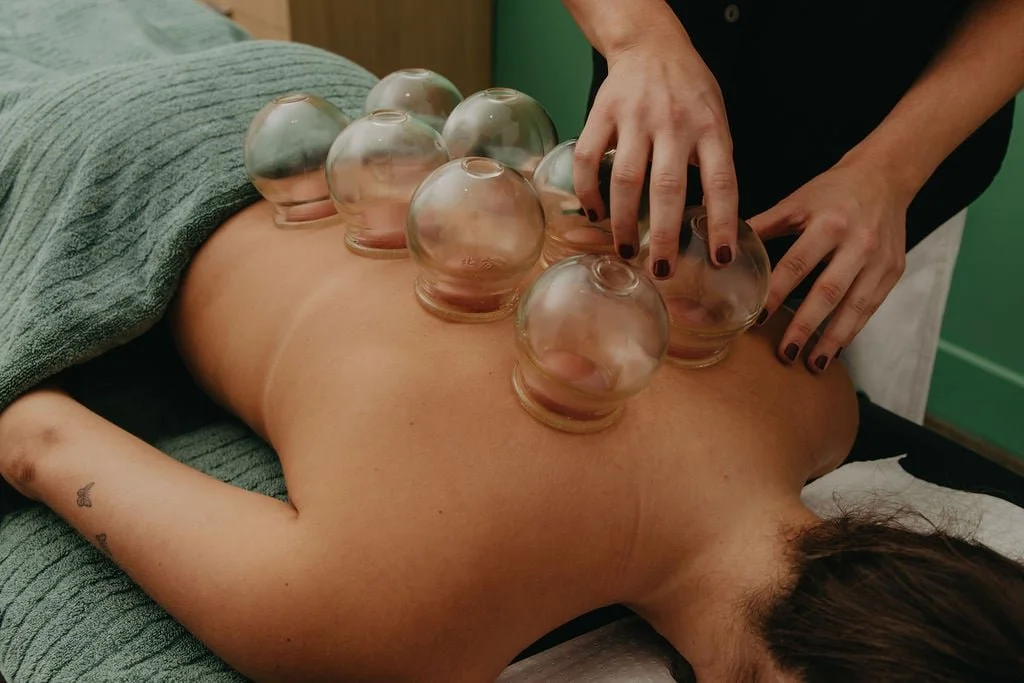
Hands-on treatment including active release, soft tissue work, and dry needling for fast relief.
Conditions We Commonly Treat During Pregnancy & Postnatally
Pelvic Girdle Pain (PGP)
Pelvic girdle pain affects one in five pregnant women and involves pain in the sacroiliac joints, pubic symphysis, or surrounding structures. It can range from mild discomfort to severe limitation that affects walking, climbing stairs, turning in bed, and daily function. Early treatment significantly reduces severity and prevents the condition from worsening through the pregnancy.
Lower Back Pain in Pregnancy
Lower back pain affects the majority of pregnant women at some point, driven by postural changes, increased lumbar lordosis, hormonal relaxation of ligaments, and the shifting centre of gravity. Chiropractic, osteopathic, and physiotherapy treatment adapted for pregnancy can significantly reduce pain and help maintain function and comfort through the full term.
Rib Pain & Upper Back Discomfort
As the uterus expands, the ribs are pushed outward and upward, which can cause rib joint irritation, thoracic discomfort, and difficulty breathing deeply, particularly in the third trimester. Gentle rib joint mobilisation and thoracic treatment can provide significant relief and is safe throughout pregnancy when performed by an experienced practitioner.
Postnatal Core & Pelvic Floor Recovery
Following birth, the core and pelvic floor require a gradual and structured approach to rehabilitation. Diastasis recti, a separation of the rectus abdominis muscles, is common following pregnancy and requires specific exercise approaches that avoid increasing intra-abdominal pressure before adequate healing. Returning to exercise too quickly or with the wrong exercises can worsen these conditions.
Postnatal Musculoskeletal Pain
The postnatal period introduces new physical demands from feeding positions, lifting and carrying, and disrupted sleep. Neck pain, upper back pain, wrist pain from repetitive holding, and pelvic girdle pain that persists after birth are all common presentations that respond well to treatment and ergonomic guidance in the postnatal period.
Pregnancy and postnatal pain is not something you simply have to endure or put on hold until things settle. Many of the most common discomforts of this period respond very well to safe, appropriate treatment. Whether you are in your first trimester or a few months postpartum, an assessment is always a worthwhile step.
Book Visit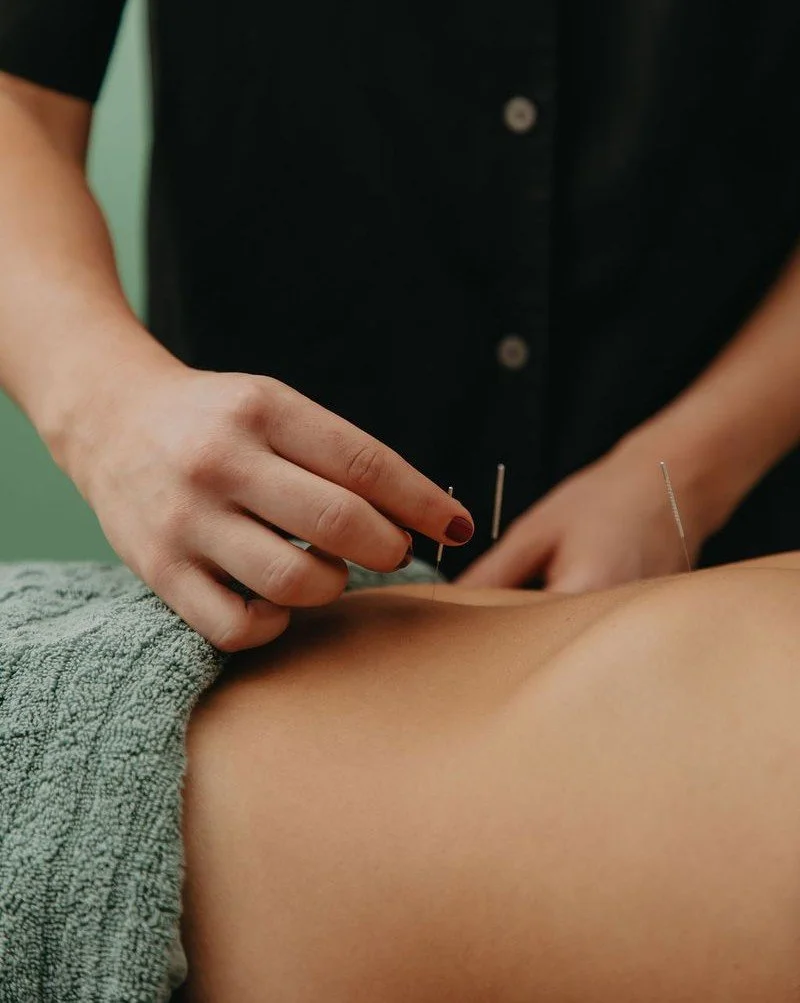
How We Can Help During Pregnancy & After Birth
Treatment during pregnancy and the postnatal period is always adapted to your stage of pregnancy or recovery, your specific symptoms, and any relevant obstetric considerations. Safety and comfort are the primary guides at every stage.
Pregnancy and postnatal pain is common but it is not something you simply have to manage on your own. Many of the most common discomforts of pregnancy and early parenthood respond very well to appropriate, targeted treatment.
Book NowFrequently Asked Questions About Pregnancy & Postnatal Care
Is chiropractic care safe during pregnancy?
Yes, when performed by a practitioner experienced in treating pregnant patients. Techniques are modified throughout pregnancy to avoid pressure on the abdomen and to accommodate the physical changes of each trimester. Gentle joint mobilisation and soft tissue techniques are commonly used, and the treatment table or positioning is adapted for comfort and safety. Many pregnant women find significant relief from pelvic, lower back, and rib pain through appropriately adapted chiropractic or osteopathic care.
When can I start physiotherapy after giving birth?
Physiotherapy assessment can begin within the first few weeks following birth, even while still in the early stages of postnatal recovery. Early assessment of core function, pelvic floor status, and any musculoskeletal concerns from the birth is valuable and safe. Specific exercise rehabilitation is introduced gradually and in a way that is appropriate to the stage of healing, with more intensive exercise progressions reserved for the six-week clearance period and beyond.
What is diastasis recti and how is it treated?
Diastasis recti is a separation of the two sides of the rectus abdominis muscle along the linea alba, the connective tissue running down the midline of the abdomen. It is extremely common during and after pregnancy. Treatment involves specific exercises that reduce the gap, restore tension in the connective tissue, and progressively reload the core in a way that avoids increasing intra-abdominal pressure prematurely. Many women recover fully with appropriate rehabilitation.
Can pelvic girdle pain be treated safely during pregnancy?
Yes. Pelvic girdle pain is very effectively managed with pregnancy-safe manual therapy, appropriate exercise, activity modification, and supportive strategies such as pelvic belts where indicated. Early treatment consistently produces better outcomes than waiting until after the birth. In many cases, symptoms can be significantly reduced or resolved before delivery with the right approach.
When is it safe to return to running after having a baby?
Current evidence-based guidelines recommend waiting until at least twelve weeks postnatally before returning to running, as the pelvic floor and connective tissue need adequate time to recover from the demands of pregnancy and birth. Before returning to running, an assessment of pelvic floor function, core strength, and lower limb mechanics is recommended to ensure the body is ready for the impact demands of running. Returning too soon can worsen pelvic floor dysfunction and increase the risk of injury.