Vertigo & Vestibular Therapy Gold Coast
Vertigo and vestibular disorders can make the world spin without warning, and for many people the fear of the next episode becomes as disabling as the episode itself.
Whether your dizziness is linked to BPPV, vestibular hypofunction, cervicogenic dizziness, or persistent postural perceptual dizziness, The Good Joint can assess your vestibular system, identify the specific cause, and apply targeted treatment to restore your balance and confidence.
Book Now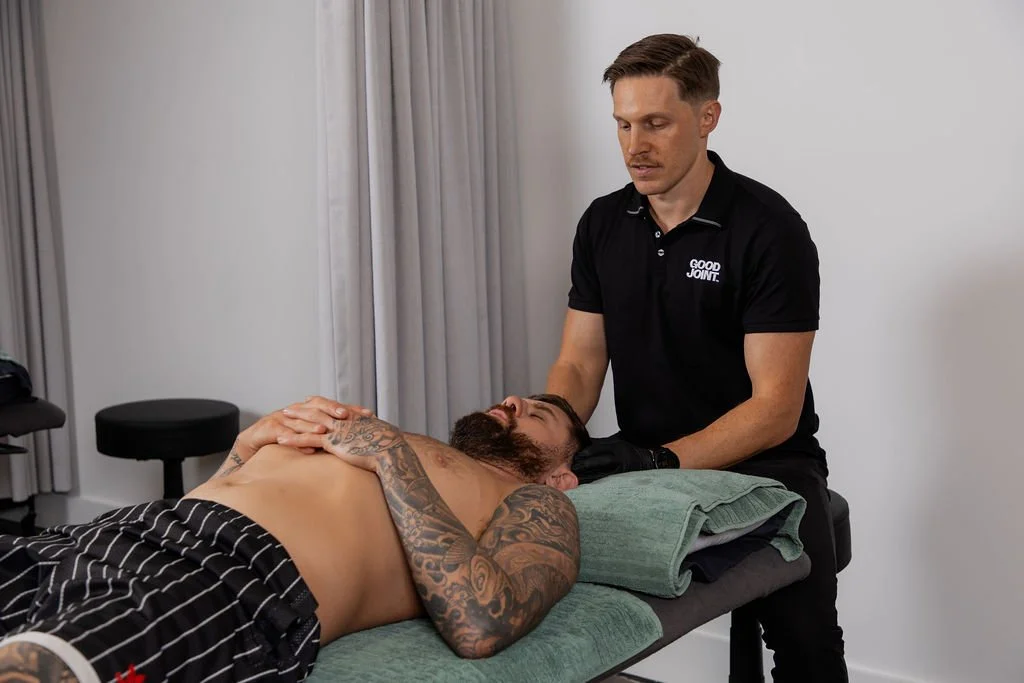
Vertigo & Dizziness Can Affect Far More Than Your Balance
BPPV & Inner Ear Crystals
Benign paroxysmal positional vertigo is the most common cause of vertigo and occurs when small calcium crystals in the inner ear become displaced. It causes brief but intense spinning with head movements such as lying down, rolling over in bed, or looking up. BPPV responds very well to specific repositioning manoeuvres that can often resolve symptoms within one to three sessions.
Cervicogenic Dizziness
Dizziness that originates from the cervical spine is a frequently missed but highly treatable condition. When the joints and muscles of the upper neck send inaccurate signals to the brain about head position, it can cause a sense of unsteadiness, fogginess, or mild spinning that is often confused with inner ear vertigo. Treatment involves restoring normal cervical joint movement and sensory input.
Balance, Confidence & Rehabilitation
Vestibular disorders often leave people feeling anxious about movement and reluctant to move their heads normally. This avoidance can worsen the underlying condition over time. Vestibular rehabilitation focuses on progressively retraining the brain and body to process movement confidently and accurately, reducing symptoms and restoring full function.
At The Good Joint, we assess the vestibular system, cervical spine, and balance function together to identify the specific cause of your dizziness and provide targeted treatment that gets you moving without fear.
Book Visit
WHAT TO EXPECT DURING YOUR FIRST VISIT
Discussion:
A brief chat about what's brought you in and how it has been impacting your lifestyle.
Physical Assessment:
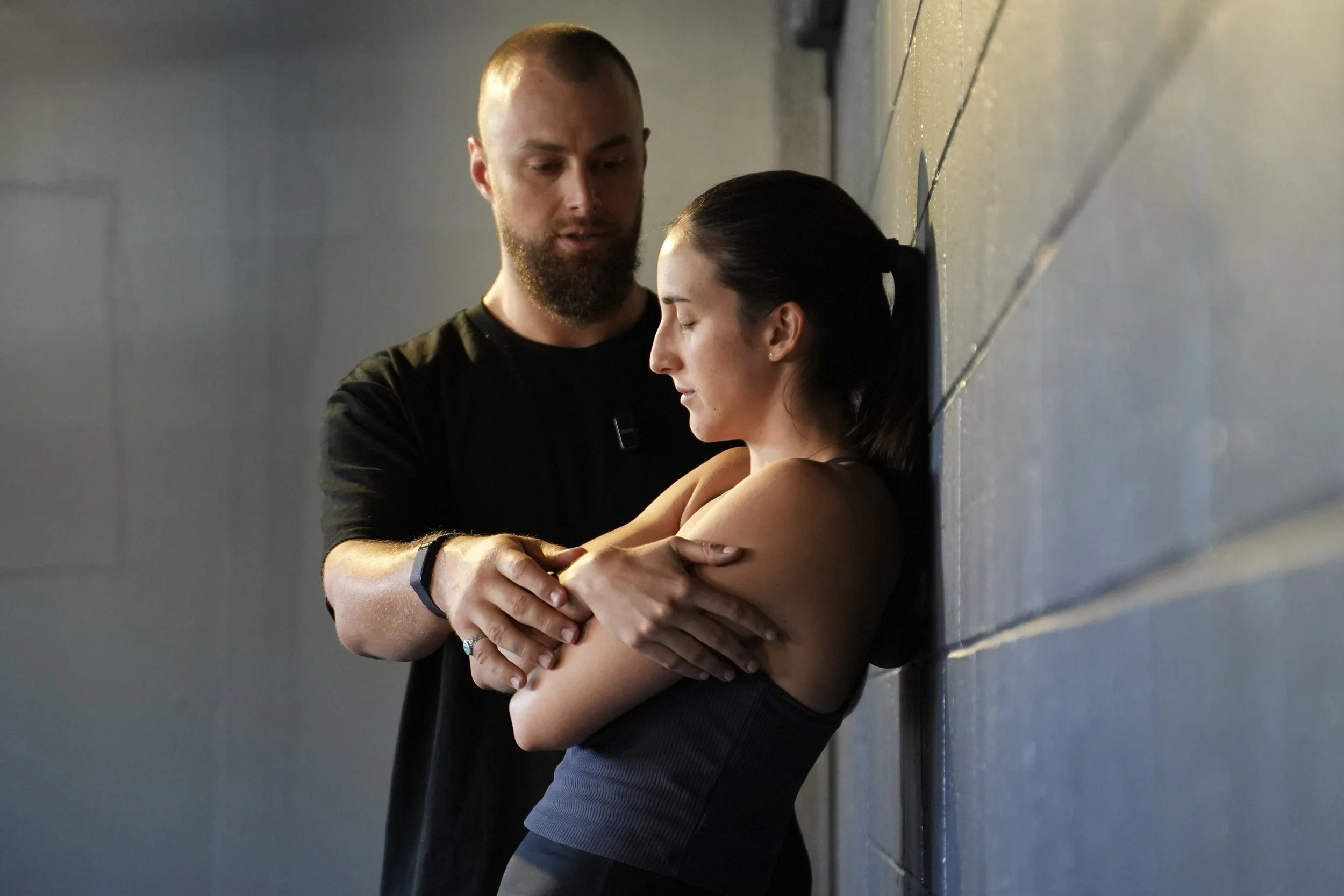
Functional testing to assess and identify underlying factors contributing to your symptoms.
Recovery Plan:
A tailored approach for working on your specific needs, including personalised exercise prescription.
Treatment:
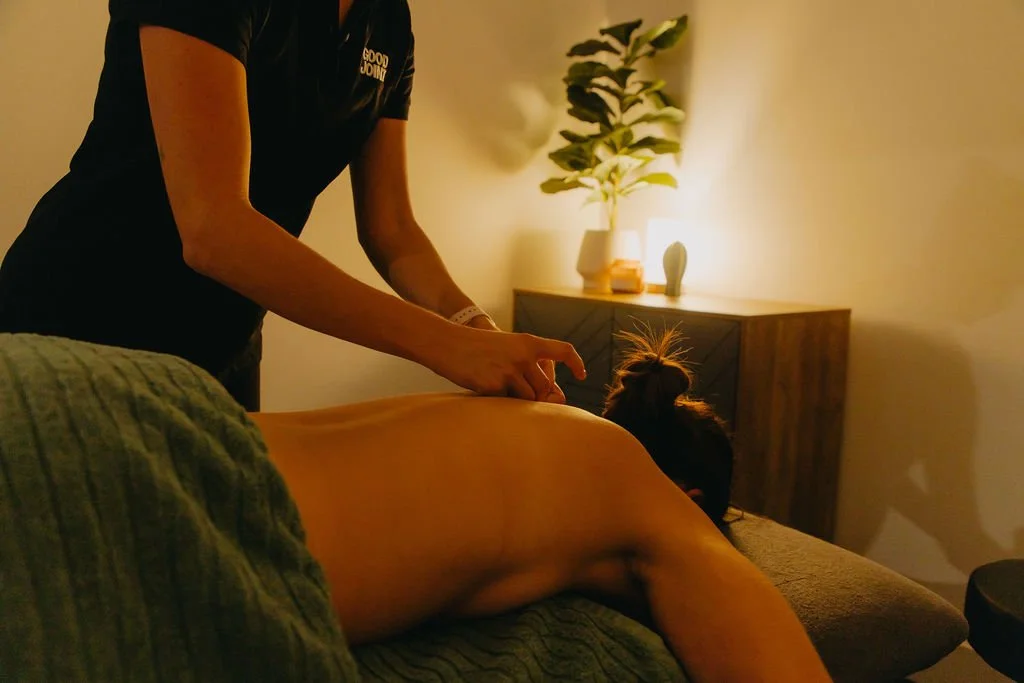
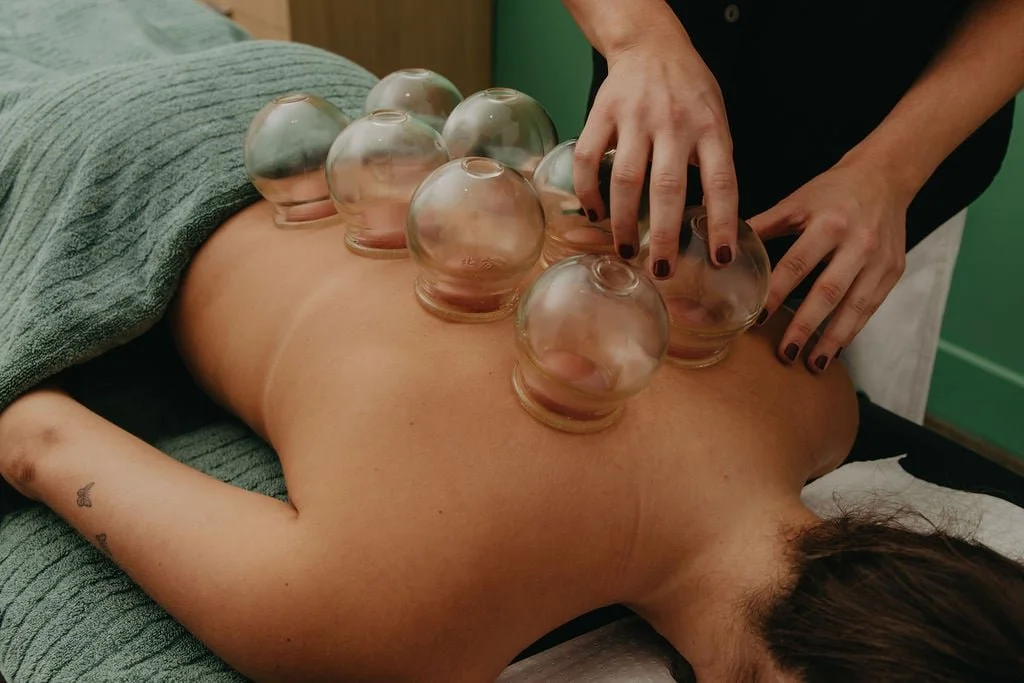
Hands-on treatment including active release, soft tissue work, and dry needling for fast relief.
What Causes Vertigo & Vestibular Problems?
BPPV (Benign Paroxysmal Positional Vertigo)
BPPV is the most common vestibular condition and occurs when calcium carbonate crystals called otoconia become displaced from the utricle into one of the semicircular canals of the inner ear. This causes intense, brief spinning triggered by specific head movements. It is highly treatable with repositioning manoeuvres such as the Epley or Semont techniques.
Vestibular Neuritis & Labyrinthitis
These conditions involve inflammation of the vestibular nerve or inner ear, usually following a viral infection. They cause sudden, severe dizziness, nausea, and imbalance that can persist for days to weeks. While the acute phase resolves with time, many people are left with residual dizziness and imbalance that requires vestibular rehabilitation to resolve fully.
Cervicogenic Dizziness
Dysfunction in the upper cervical joints and muscles can disrupt the sensory signals sent to the brain about head and neck position. When these signals conflict with information from the eyes and vestibular system, dizziness and unsteadiness result. Cervicogenic dizziness is often associated with neck stiffness, headaches, and a history of whiplash or poor posture.
Meniere's Disease
Meniere's disease involves episodes of intense vertigo, fluctuating hearing loss, tinnitus, and a feeling of fullness in the ear. It is caused by changes in fluid pressure within the inner ear and tends to occur in episodes lasting minutes to hours. Management focuses on reducing trigger factors and using vestibular rehabilitation to improve tolerance between episodes.
Persistent Postural Perceptual Dizziness (PPPD)
PPPD is a chronic functional vestibular disorder characterised by persistent dizziness, unsteadiness, and sensitivity to movement or visual stimuli that persists beyond the resolution of an initial vestibular event. It is driven by the nervous system becoming oversensitised and requires a gradual, structured desensitisation approach as part of rehabilitation.
Vertigo and vestibular symptoms that are affecting your confidence, limiting your movement, or keeping you from activities you enjoy are very often highly treatable once the specific cause is identified. An assessment is the most important first step in getting your balance and daily life back on track.
Book Visit
Common Vertigo & Vestibular Symptoms
Vestibular symptoms can vary enormously between individuals and between conditions. Some people experience dramatic spinning episodes. Others feel a constant mild unsteadiness, brain fog, or discomfort in busy visual environments. Identifying the specific pattern is essential for choosing the right treatment.
Dizziness that affects your confidence, limits your activity, or keeps returning after episodes should be properly assessed. Many vestibular conditions are very treatable once the specific cause has been identified.
Book NowFrequently Asked Questions About Vertigo & Vestibular Therapy
How do I know if my dizziness is vertigo?
True vertigo involves a sensation of spinning or movement, either of yourself or the environment around you, when nothing is actually moving. It is typically caused by a problem in the inner ear or the brain's processing of vestibular information. Dizziness without spinning, such as lightheadedness or unsteadiness, can have different causes. A vestibular assessment can determine the type of dizziness you have and identify the most likely source.
Can physiotherapy treat vertigo?
Yes. Vestibular physiotherapy is one of the most effective treatments for many types of vertigo and vestibular disorders. For BPPV specifically, repositioning manoeuvres performed by a trained physiotherapist can resolve symptoms quickly in most cases. For other vestibular conditions, a structured rehabilitation program is used to retrain the brain's processing of balance signals and reduce ongoing symptoms.
How many sessions does vestibular therapy take?
This depends on the condition. BPPV often resolves within one to three sessions following the appropriate repositioning manoeuvre. Vestibular neuritis, PPPD, and cervicogenic dizziness typically require a longer course of rehabilitation, often four to eight weeks of regular sessions alongside a home exercise program. Progress is monitored throughout and the program is adjusted based on how you are responding.
Can neck problems cause dizziness?
Yes. Cervicogenic dizziness arises when the cervical spine provides inaccurate sensory information to the brain about head and body position. It is often associated with upper cervical joint restriction, muscle tightness, whiplash, or prolonged poor posture. Treatment targeting the cervical spine, including joint mobilisation and sensorimotor retraining, can be highly effective for this type of dizziness.
Is vertigo dangerous?
Most causes of vertigo, including BPPV, vestibular neuritis, and cervicogenic dizziness, are not dangerous in themselves but can significantly impact quality of life and increase the risk of falls. Vertigo accompanied by sudden severe headache, double vision, difficulty speaking, facial numbness, or loss of consciousness requires immediate medical assessment, as these symptoms may indicate a more serious neurological condition.