Running Assessments & Gait Analysis Gold Coast
Recurring niggles, nagging injuries, and a stride that never quite feels efficient can hold back even the most committed runner, and often the root cause is hidden in how you move.
Whether you're chasing a personal best, returning from injury, or simply want to run with less pain, The Good Joint uses detailed running assessments and video gait analysis to pinpoint the mechanics behind your symptoms and build a targeted plan to improve your form, efficiency, and resilience.
Book Now
What a Running Assessment Can Help You With
Injury Prevention & Recurring Problems
Many running injuries are not random. They develop from specific movement patterns, muscle imbalances, or loading habits that place the same structures under repeated stress. A gait analysis identifies these patterns before they cause injury or, if you are already injured, reveals what needs to change to allow proper recovery and prevent recurrence.
Performance & Efficiency
Small improvements in running mechanics can make a meaningful difference to speed, endurance, and how your body feels during and after a run. A running assessment identifies areas where energy is being wasted through inefficient movement and provides targeted cues, exercises, and training adjustments to help you run more economically.
Return to Running After Injury
Returning to running after an injury without addressing the underlying movement factors that contributed to it puts you at high risk of reinjury. A structured return-to-running program based on your gait assessment ensures your body has the strength, mobility, and mechanics needed to handle the demands of running before full training resumes.
At The Good Joint, our running assessment combines video analysis of your gait with a full musculoskeletal evaluation to give you a complete picture of how you move and a clear plan for what to change.
Book Visit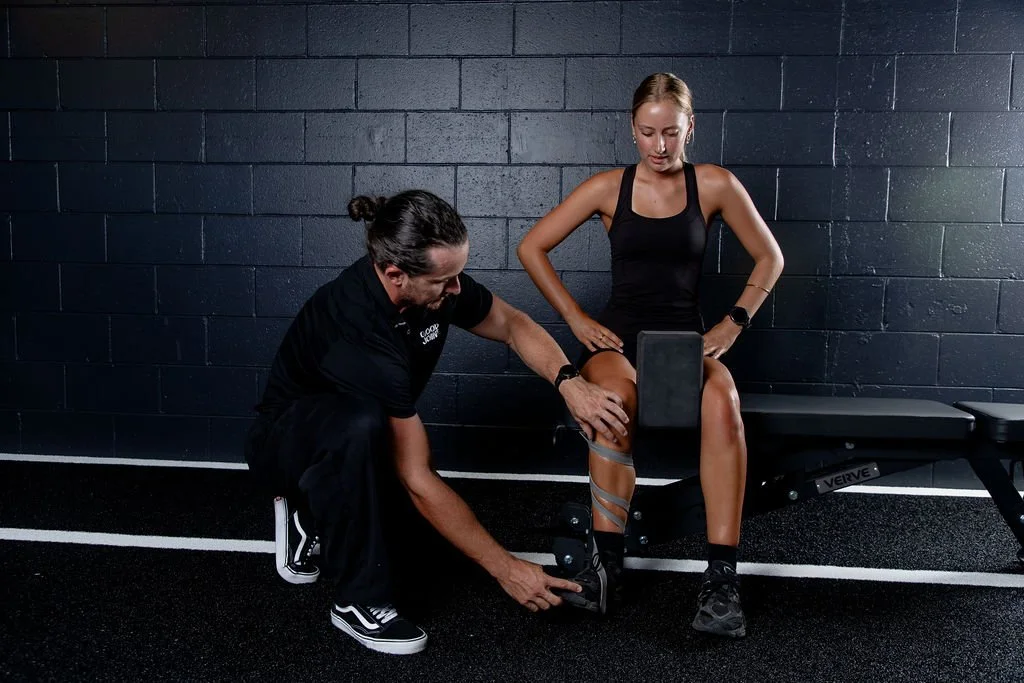
WHAT TO EXPECT DURING YOUR FIRST VISIT
Discussion:
A brief chat about what's brought you in and how it has been impacting your lifestyle.
Physical Assessment:
Functional testing to assess and identify underlying factors contributing to your symptoms.
Recovery Plan:
A tailored approach for working on your specific needs, including personalised exercise prescription.
Treatment:
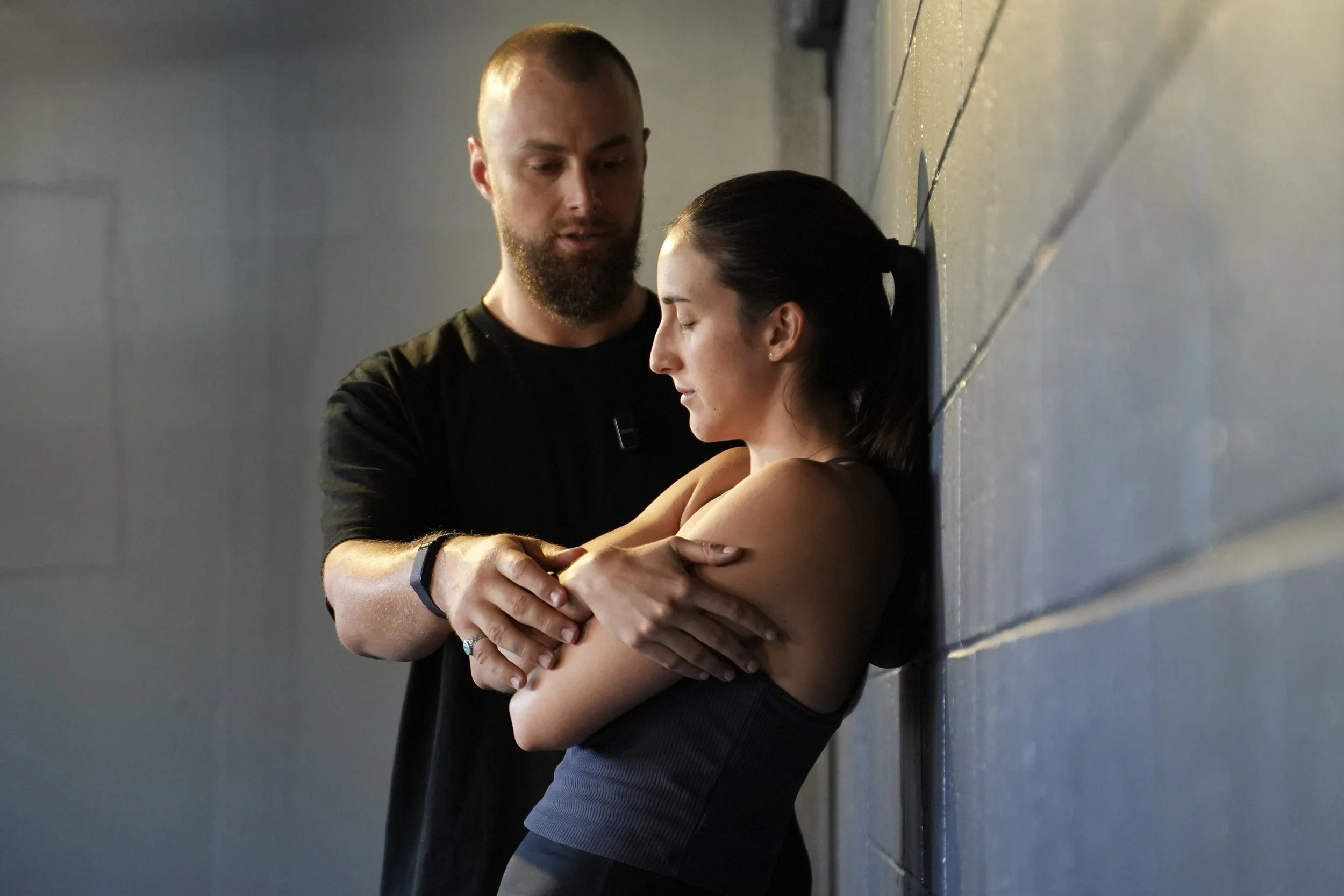
Hands-on treatment including active release, soft tissue work, and dry needling for fast relief.
What We Assess in a Running Gait Analysis
Foot Strike & Ground Contact
How and where your foot contacts the ground with each stride influences how impact force is distributed through the foot, ankle, shin, knee, and hip. A heel strike, midfoot strike, or forefoot strike each has different implications for injury risk and running economy. We assess foot strike pattern, contact time, and how force is absorbed and transferred with each step.
Cadence & Stride Length
Running cadence, the number of steps per minute, is one of the most modifiable and impactful variables in running mechanics. A cadence that is too low often leads to overstriding, increased impact forces, and higher injury risk. Stride length and step width also influence loading patterns through the lower limb and are assessed alongside cadence as part of the full gait picture.
Hip, Knee & Pelvic Control
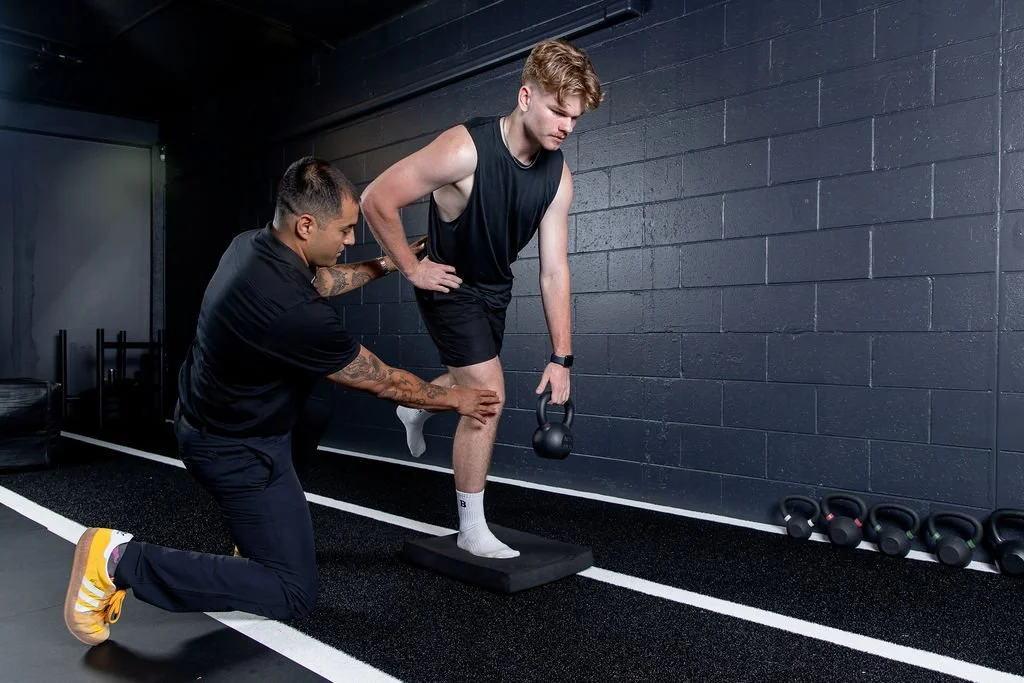
The ability of the hip abductors and glutes to control pelvic drop and knee collapse during the stance phase is one of the most important factors in running injury prevention. Poor hip control is associated with patellofemoral pain, IT band syndrome, and tibial stress injuries. We assess single-leg stability, pelvic movement, and knee tracking throughout the gait cycle.
Trunk Position & Arm Swing
Upper body position and arm swing influence the efficiency of forward propulsion and the rotational demands placed on the lumbar spine and thoracic spine during running. Excessive forward lean, lateral trunk sway, or asymmetrical arm swing can all reduce efficiency and increase loading on specific structures. These are assessed as part of the full body running analysis.
Strength & Mobility Screening
A comprehensive running assessment includes a musculoskeletal screening to identify any strength or mobility deficits that are contributing to gait inefficiencies or injury risk. This connects the gait findings to specific physical limitations and allows for a targeted exercise and rehabilitation program to be developed alongside the mechanical corrections.
Whether you are dealing with a recurring injury, returning to running after time off, or simply want to understand how your body moves and how to move it better, a running assessment gives you the specific information needed to train smarter and stay injury-free for longer.
Book Visit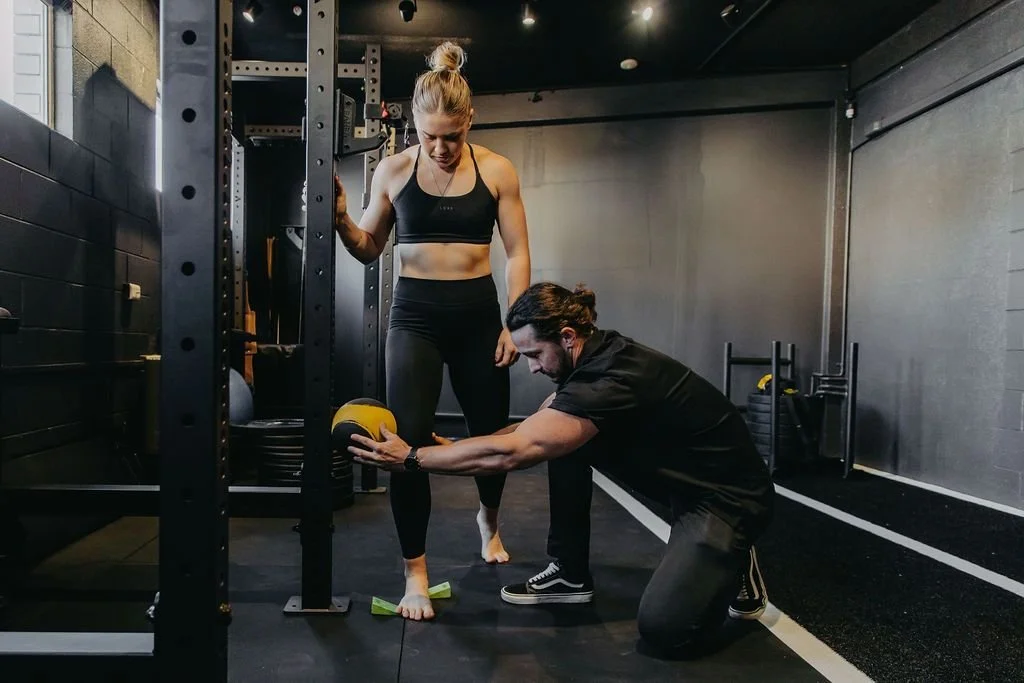
Who Benefits From a Running Assessment
A running assessment is not just for elite athletes or seriously injured runners. It is valuable for anyone who runs regularly and wants to understand how their body moves, reduce their injury risk, or run more comfortably and efficiently.
A running assessment is one of the most useful investments a runner can make in their long-term health and performance. The information it provides is specific, practical, and often reveals patterns that would never be identified from symptoms alone.
Book NowFrequently Asked Questions About Running Assessment & Gait Analysis
What happens during a running gait analysis?
A running gait analysis at The Good Joint includes a musculoskeletal assessment on the table, video analysis of your running on a treadmill or track, review of your training load and injury history, and a detailed discussion of the findings. You will leave with a clear understanding of how you move, what needs to change, and a specific plan that may include technique cues, exercises, load recommendations, and a structured return-to-run program if needed.
Do I need to be injured to get a running assessment?
No. Many people use a running assessment proactively to improve their mechanics before an injury develops, particularly when increasing their training load or distance. A gait analysis can identify subtle patterns that represent injury risk long before symptoms appear, giving you the opportunity to address them under much less pressure than you would face mid-injury.
Can changing my running technique cause new injuries?
Rapid, unguided changes to running technique can introduce new loads on structures that are not yet conditioned for a different movement pattern. This is why technique changes are always introduced gradually and supported by specific strengthening work during a running assessment program. The goal is to make changes that are sustainable and progressive, not to overhaul everything at once.
How many sessions does a running assessment program involve?
The initial running assessment is typically a single extended session. Depending on the findings, follow-up sessions may be recommended to monitor technique progress, progress rehabilitation exercises, and guide the return-to-running or performance program. Most people see the assessments through two to four follow-up appointments over six to twelve weeks, though this varies based on individual goals and injury status.
What should I wear and bring to a running assessment?
Wear your usual running gear, including the shoes you currently run in. If you have more than one pair, bringing both can be helpful. Video footage of your running from a recent training session or race, if you have it, is also useful. Come ready to run, as the gait analysis involves actual running on a treadmill or in our assessment space.