Posture Correction Therapy Gold Coast
Poor posture is rarely just about how you look. Over time, it drives real physical changes in joint mechanics, muscle function, and tissue loading that produce pain, stiffness, and limitation.
Whether you are dealing with forward head posture, rounded shoulders, thoracic kyphosis, sway back, or a more complex full-body postural pattern, The Good Joint provides structured posture correction therapy that addresses the cause rather than just coaching you to sit up straighter.
Book Now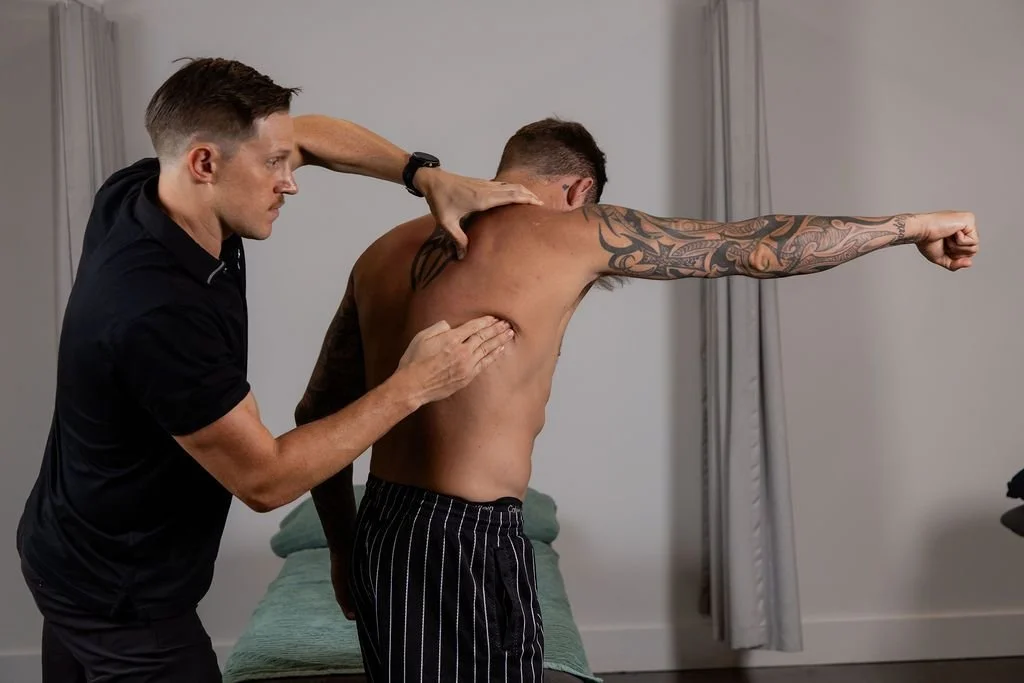
Posture Correction Addresses the Whole Body
Assessment Before Correction
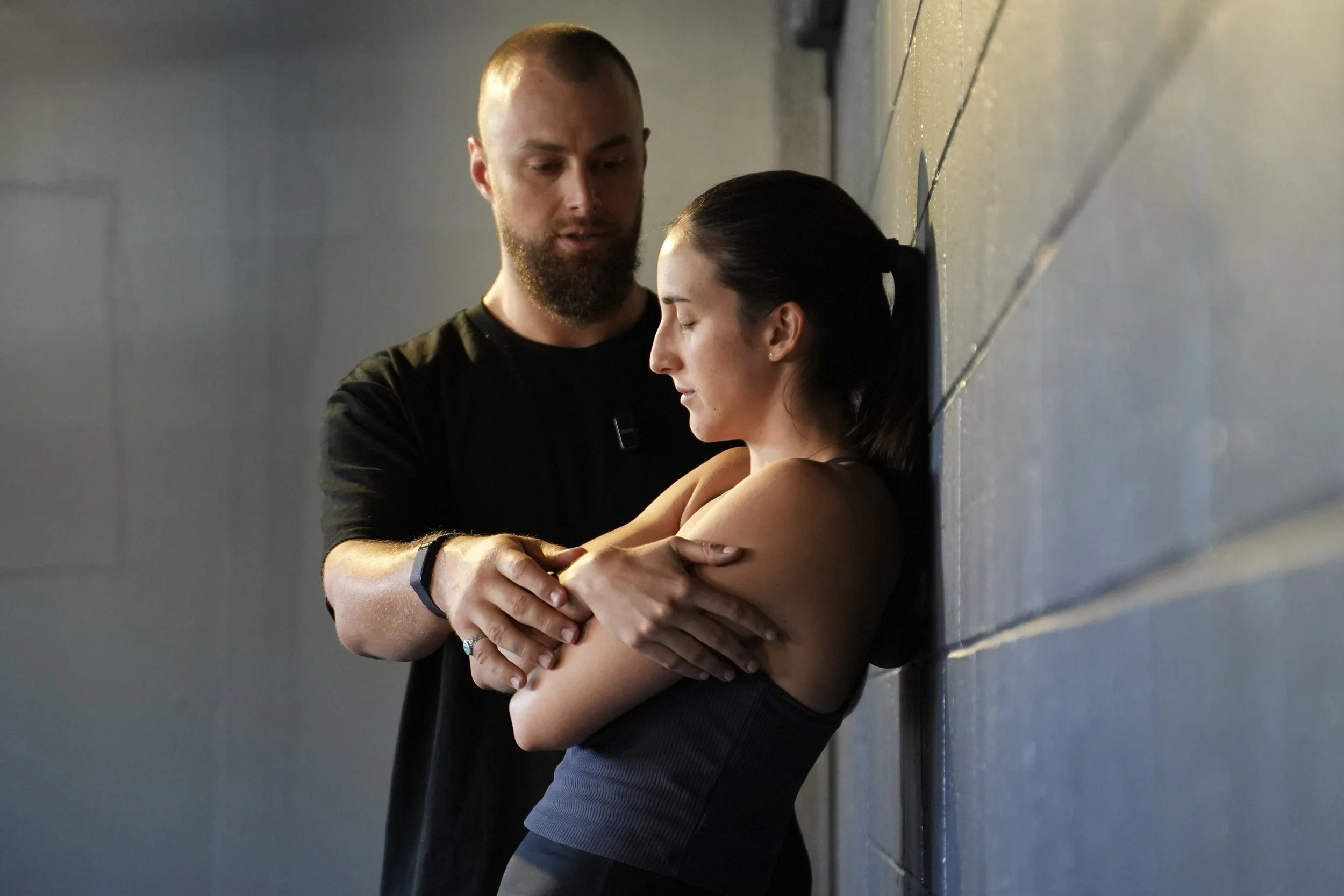
Effective posture correction starts with understanding your specific postural pattern. Different patterns require different corrections, and applying the wrong approach can reinforce the wrong muscles and make the underlying issue worse. A thorough postural assessment identifies which structures are short and overactive, which are long and underactive, and what order to address them in.
Restoring Joint Mobility First
Before muscle re-education can be effective, any restricted joints need to be mobilised. Attempting to strengthen or stretch around stiff joints produces limited results because the joints constrain movement regardless of how strong or flexible the surrounding muscles become. Joint mobilisation through chiropractic or osteopathic care is often the most important first step in posture correction.
Targeted Strengthening & Habit Change
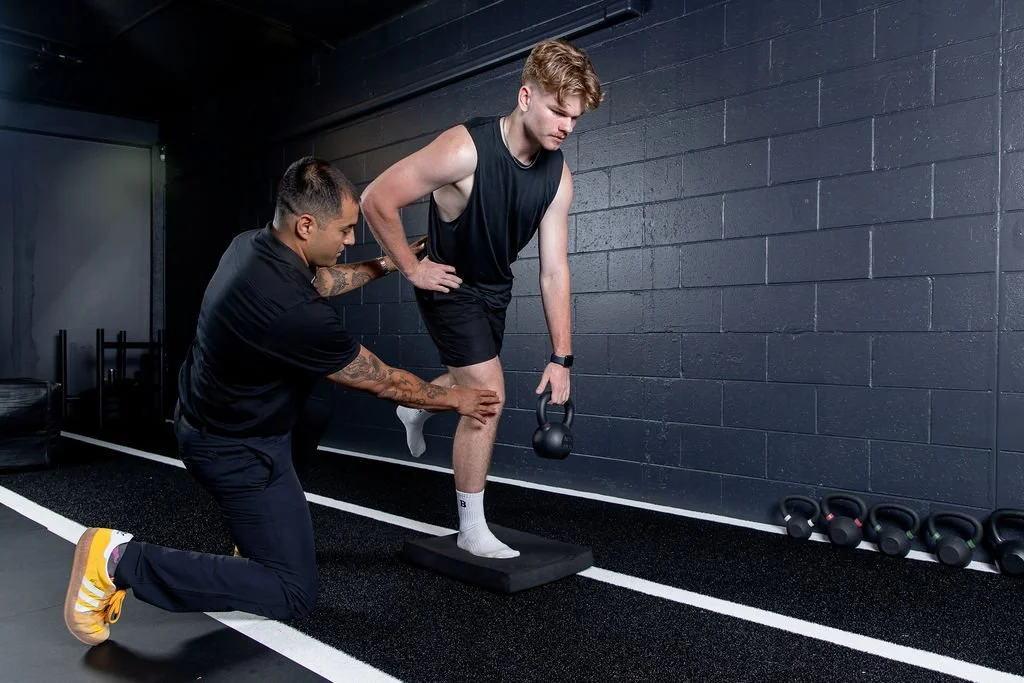
Once mobility is restored, specific strengthening of the deep postural muscles, including the deep neck flexors, mid-back, lower trapezius, core, and glutes, creates the physical capacity to hold a better position. This must be accompanied by practical changes to daily habits, ergonomics, and movement patterns to prevent the old posture from reasserting itself.
At The Good Joint, posture correction therapy draws on chiropractic, physiotherapy, osteopathy, and remedial massage in combination to address all aspects of postural dysfunction, from joint restriction through to muscle balance and lifestyle habits.
Book Visit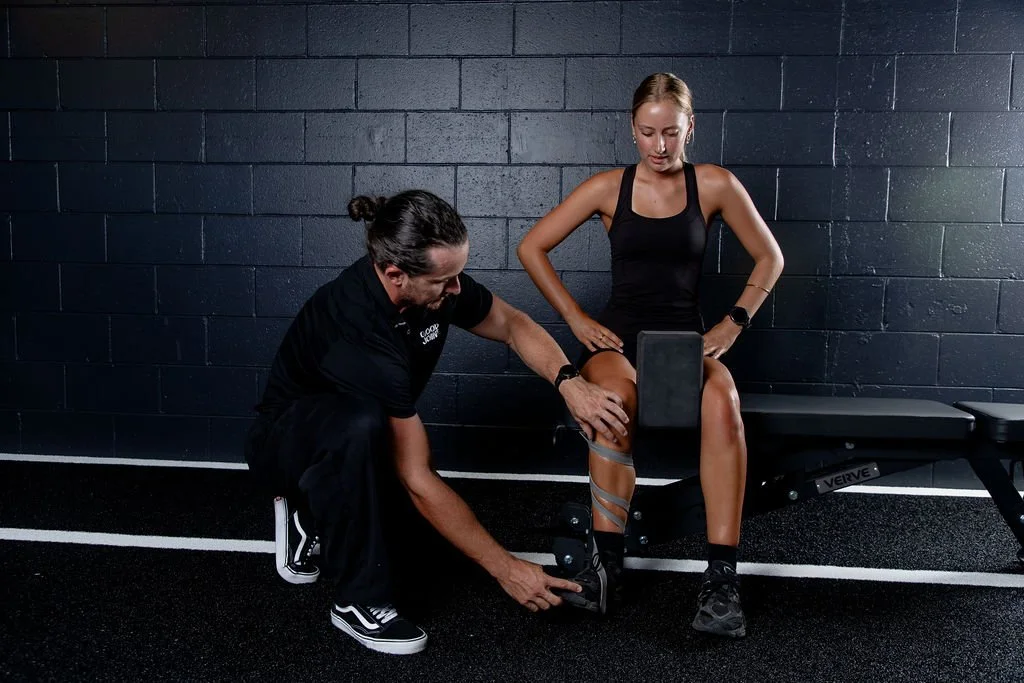
WHAT TO EXPECT DURING YOUR FIRST VISIT
Discussion:
A brief chat about what's brought you in and how it has been impacting your lifestyle.
Physical Assessment:
Functional testing to assess and identify underlying factors contributing to your symptoms.
Recovery Plan:
A tailored approach for working on your specific needs, including personalised exercise prescription.
Treatment:
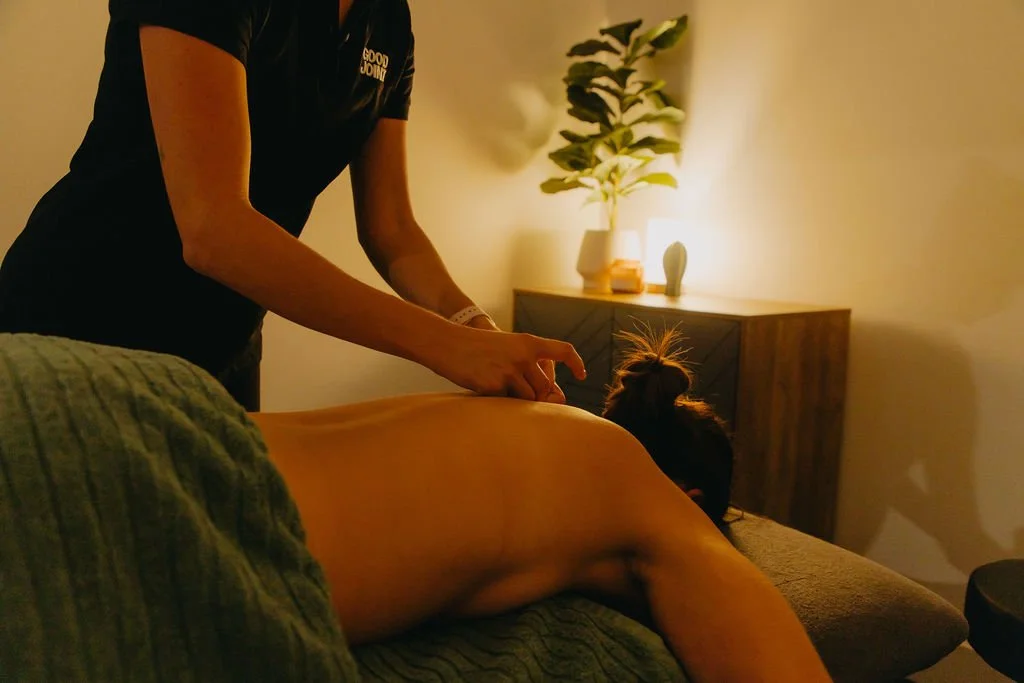
Hands-on treatment including active release, soft tissue work, and dry needling for fast relief.
Common Postural Patterns We Treat
Forward Head Posture
Forward head posture is the most common postural deviation seen in clinical practice, driven by prolonged screen use, desk work, and mobile phone habits. It places significantly increased load on the cervical spine and upper trapezius, and is closely associated with headaches, neck pain, jaw tension, and upper back discomfort. Correction involves restoring upper cervical mobility, strengthening the deep neck flexors, and modifying the habits that sustain the pattern.
Rounded Shoulders & Kyphosis
Rounded shoulder posture involves the shoulder blades tilting forward and the thoracic spine flexing into an increased kyphotic curve. It is reinforced by sustained sitting, tight pectorals, and weakness through the mid-back. Over time it limits shoulder elevation, compresses the rib joints, and places the rotator cuff in a mechanically compromised position. Thoracic mobility restoration and mid-back strengthening are central to correction.
Anterior Pelvic Tilt
Anterior pelvic tilt involves the pelvis tipping forward, increasing lumbar lordosis and placing the hip flexors in a shortened position while lengthening the hamstrings and gluteals. It is common in people who sit for extended periods and is frequently associated with lower back pain, hip flexor tightness, and reduced glute activation. Correction targets hip flexor release and progressive glute and core strengthening.
Sway Back & Posterior Pelvic Tilt
Sway back posture involves the hips shifting forward relative to the trunk, reducing lumbar curve and placing increased load on the posterior hip capsule and hamstrings. It often develops as a habitual resting position and is associated with lower back and hip pain. Correction requires restoring lumbar extension mobility and strengthening the muscles that support an upright pelvic position.
Full Body Postural Asymmetry
Many people present with a combination of postural deviations that affect the whole body, including a combination of lateral shift, rotational asymmetry, and regional imbalances from the feet to the cervical spine. These more complex patterns require a systematic assessment approach to identify the primary driver and correct it in the right order to achieve lasting improvement.
Posture correction therapy is most effective when it goes beyond awareness and addresses the actual joint restrictions, muscle imbalances, and daily habits that are maintaining the problem. If your posture-related pain keeps coming back, a proper postural assessment is a worthwhile investment in your long-term comfort and function.
Book Visit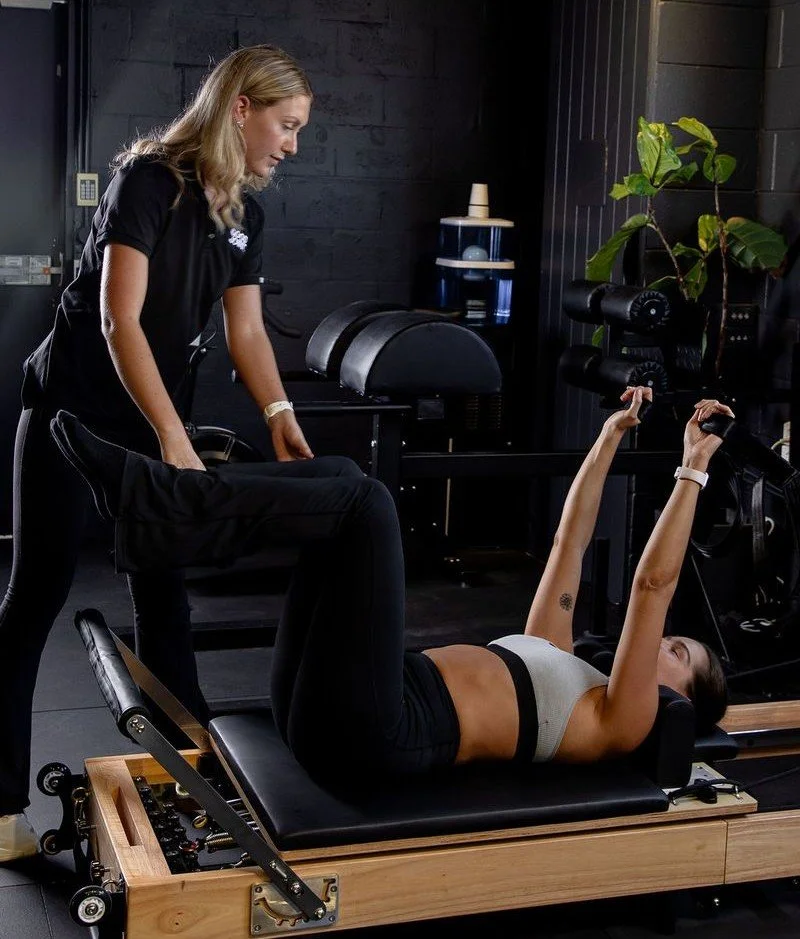
Signs Your Posture May Be Contributing to Your Pain
Postural problems rarely announce themselves as posture problems. More often they appear as pain that keeps returning for no clear reason, stiffness that builds through the day, or a body that simply does not recover from activity the way it used to.
If your pain keeps returning despite treatment and you have not had a specific postural assessment, it is worth having one. Postural dysfunction is one of the most common reasons that pain becomes chronic or recurring, and addressing it properly can be transformative.
Book NowFrequently Asked Questions About Posture Correction Therapy
Can posture actually be corrected?
Yes. Posture is shaped by the demands placed on the body over time, the strength and flexibility of specific muscle groups, and the mobility of individual joints. All of these factors can be changed with the right approach. The key is addressing joint restriction, muscle imbalance, and lifestyle habits in the right order and at the right pace. Simply trying to hold a better position without restoring the underlying mobility and strength rarely produces lasting change.
How long does posture correction take?
Meaningful improvement in pain and postural awareness is typically noticeable within four to eight weeks of consistent treatment and exercise. More significant and lasting structural change to established postural patterns generally takes three to six months. The earlier the pattern is addressed, the more completely it can be corrected. Postural habits that have been present for decades require more time but still respond well to a structured approach.
What is the most effective treatment for poor posture?
The most effective approach combines chiropractic or osteopathic joint mobilisation to restore restricted movement, physiotherapy to strengthen the specific muscle groups responsible for postural support, remedial massage to release the chronically tight muscles that pull the body into poor positions, and practical guidance on ergonomics and daily habits. At The Good Joint, we use all of these disciplines together to produce faster and more durable results than any single approach alone.
Is posture correction just about exercise?
No. Exercise is an important part of posture correction but it is only one component. Restricted joints limit the range of motion available for exercise and need to be mobilised first. Chronically tight muscles need to be released before the opposing weak muscles can be effectively strengthened. And habitual movement patterns need to be identified and consciously changed. Posture correction therapy at The Good Joint addresses all of these layers, not just the exercise component.
Can bad posture cause long-term damage?
Over many years, sustained postural loading can contribute to degenerative changes in the spine, reduced joint mobility, muscle imbalances, and chronic pain. It can also significantly increase the risk of acute injury during normal activity because of the compromised mechanics it creates. Addressing postural patterns early is genuinely preventive, and even in people who have carried a postural dysfunction for years, significant improvement and pain reduction is usually achievable.