Post-Surgery Rehabilitation Gold Coast
Surgery is only the beginning. How well you recover, how completely you regain function, and how quickly you return to the activities that matter to you depends almost entirely on what happens in rehabilitation.
Whether you are recovering from a joint replacement, ligament reconstruction, spinal surgery, shoulder repair, or any other procedure, The Good Joint provides structured, progressive rehabilitation that is adapted to your specific surgery, timeline, and goals.
Book Now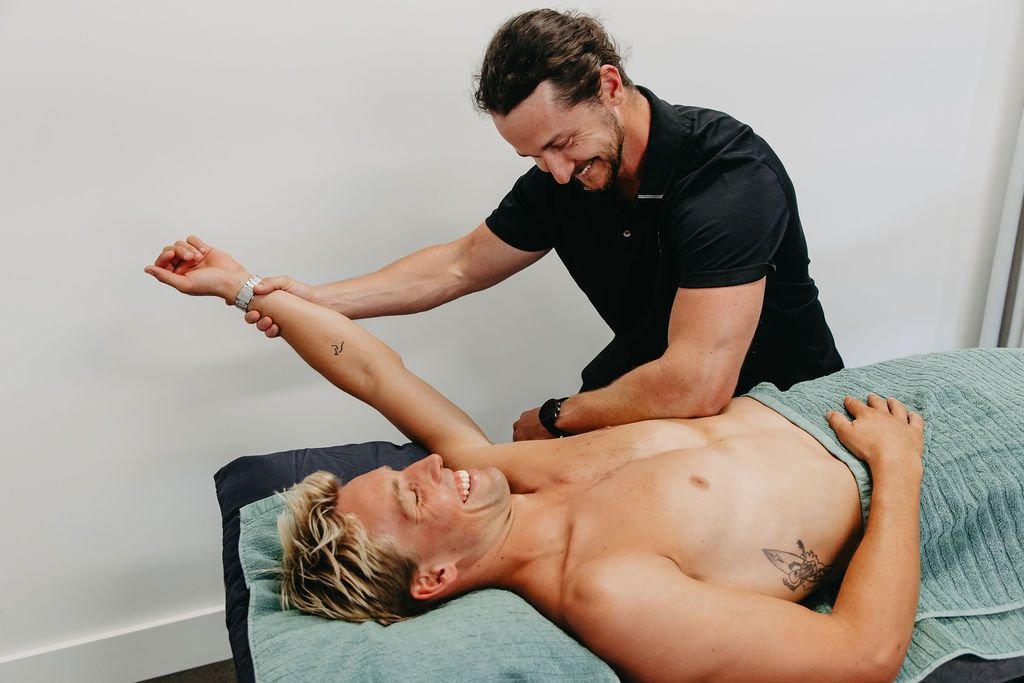
What Good Post-Surgery Rehabilitation Looks Like
Early Stage Recovery
The early weeks following surgery focus on managing pain and swelling, protecting the surgical repair, restoring initial range of motion, and beginning gentle muscle activation. Progressing too quickly during this phase risks disrupting the repair. Moving too slowly risks stiffness, muscle loss, and a longer overall recovery. Getting the balance right requires structured guidance.
Progressive Strength & Function
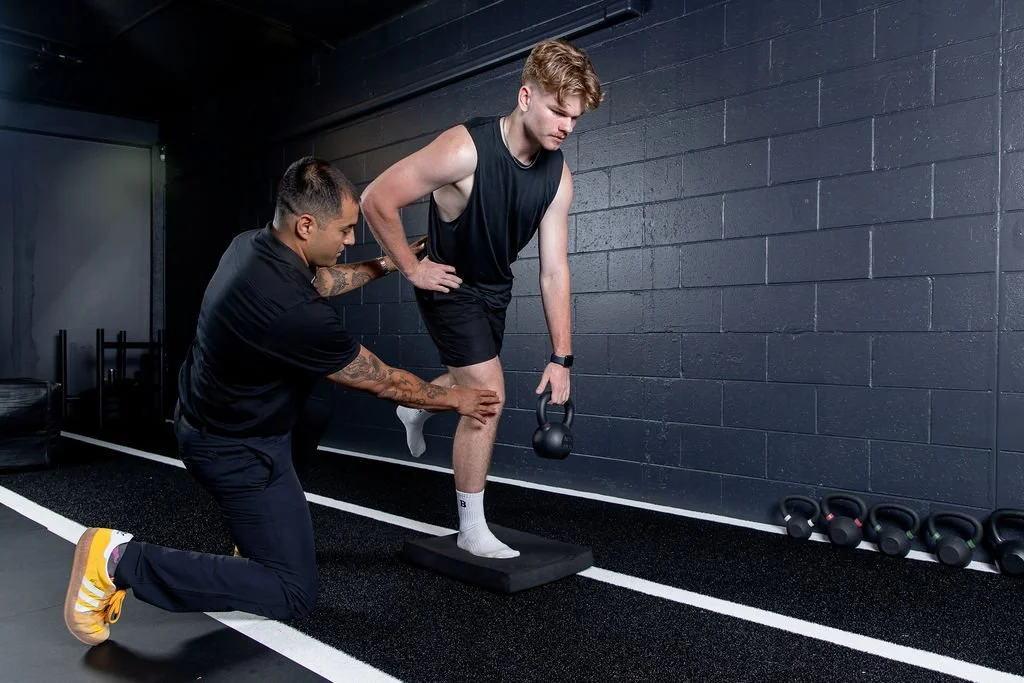
As tissue healing allows, rehabilitation progressively builds strength, joint stability, neuromuscular control, and functional capacity. This phase bridges the gap between the end of acute recovery and a return to normal activity. The exercises and progressions used depend on the specific surgery, the structures repaired, and the demands of your daily life, sport, or occupation.
Return to Activity & Sport
The final stage of post-surgical rehabilitation focuses on returning you safely to the activities and demands of your life, including work, sport, exercise, and recreation. This requires not just physical readiness but confidence in the repaired structure. A well-structured program gets you there systematically and at a pace appropriate to the surgery and your individual recovery.
At The Good Joint, we liaise with your surgeon where needed, follow evidence-based rehabilitation protocols, and adapt your program at every stage to reflect how your body is actually recovering.
Book Visit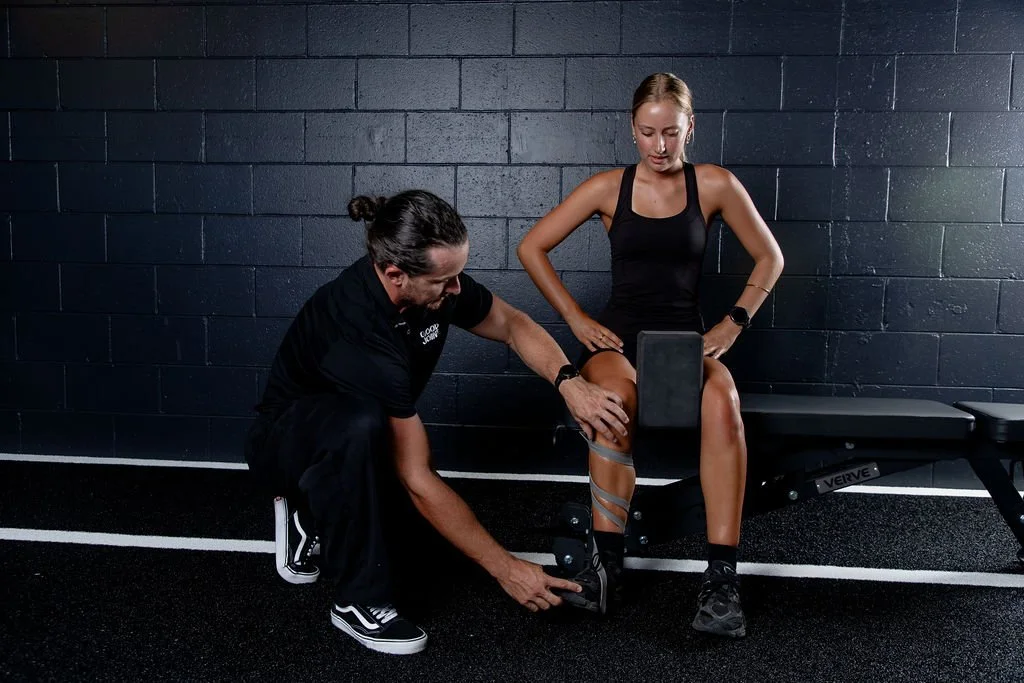
WHAT TO EXPECT DURING YOUR FIRST VISIT
Discussion:
A brief chat about what's brought you in and how it has been impacting your lifestyle.
Physical Assessment:
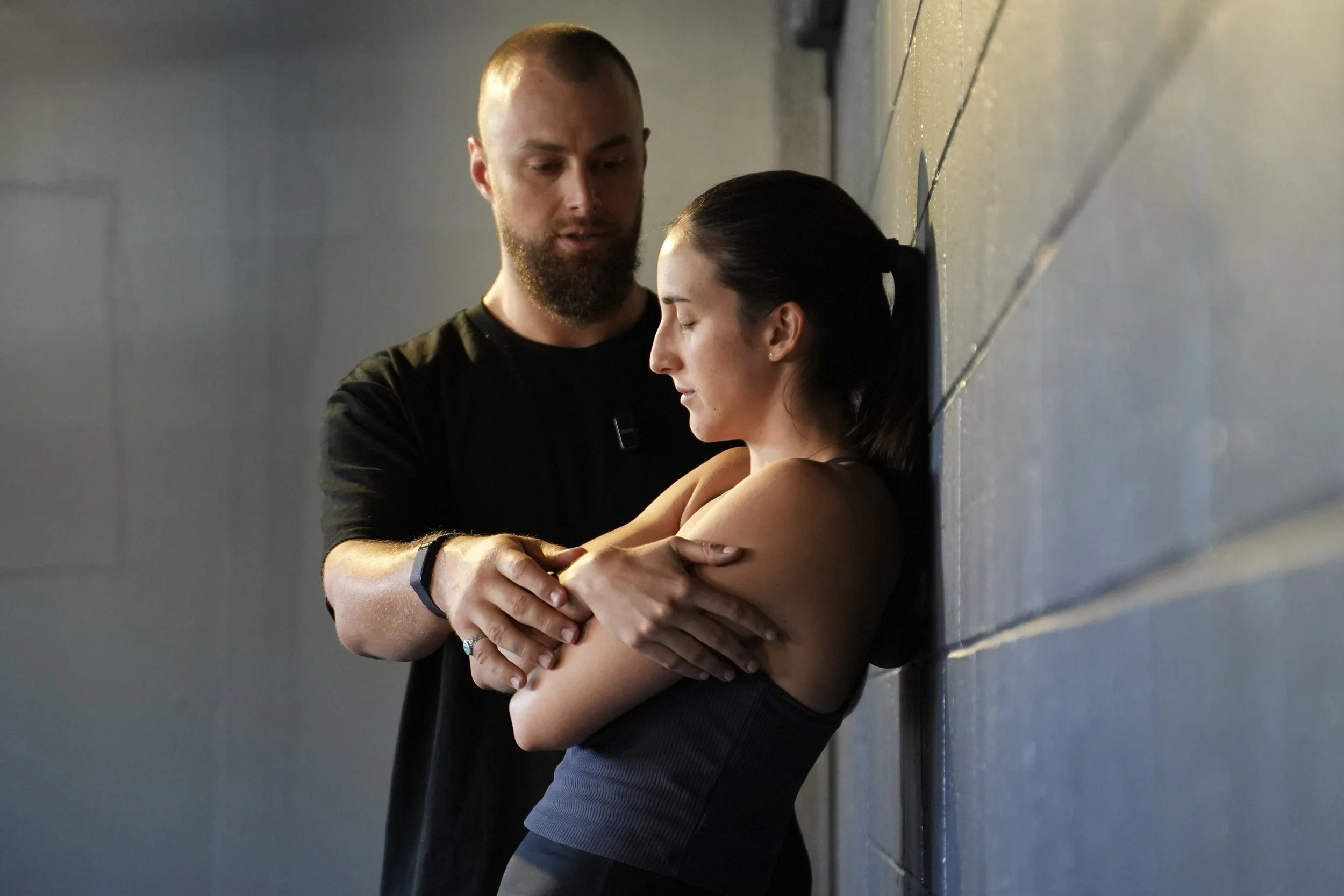
Functional testing to assess and identify underlying factors contributing to your symptoms.
Recovery Plan:
A tailored approach for working on your specific needs, including personalised exercise prescription.
Treatment:
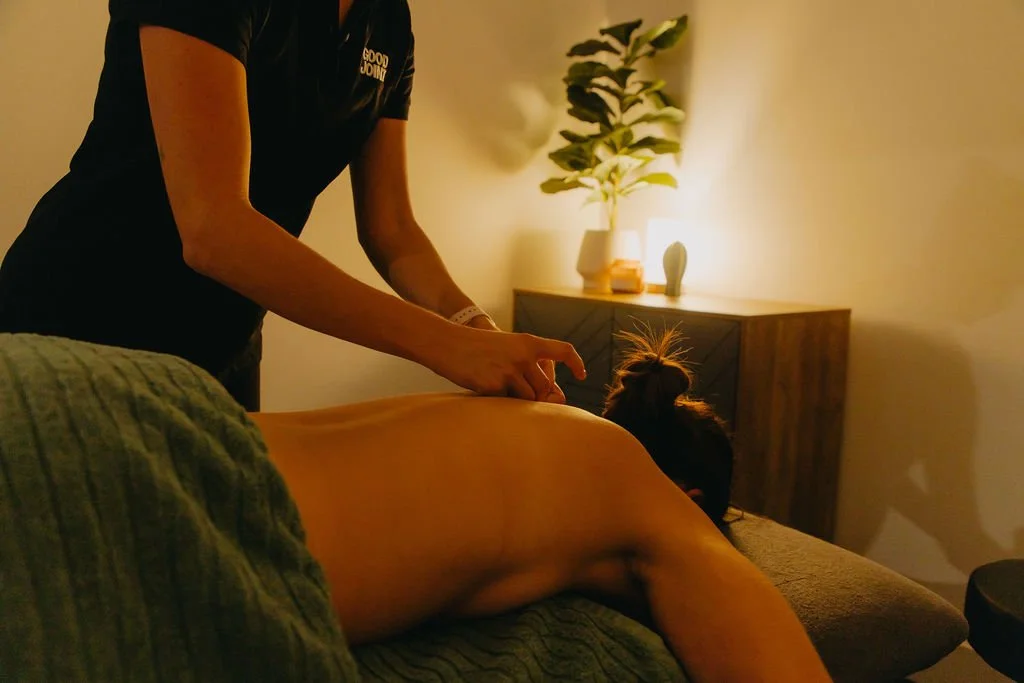
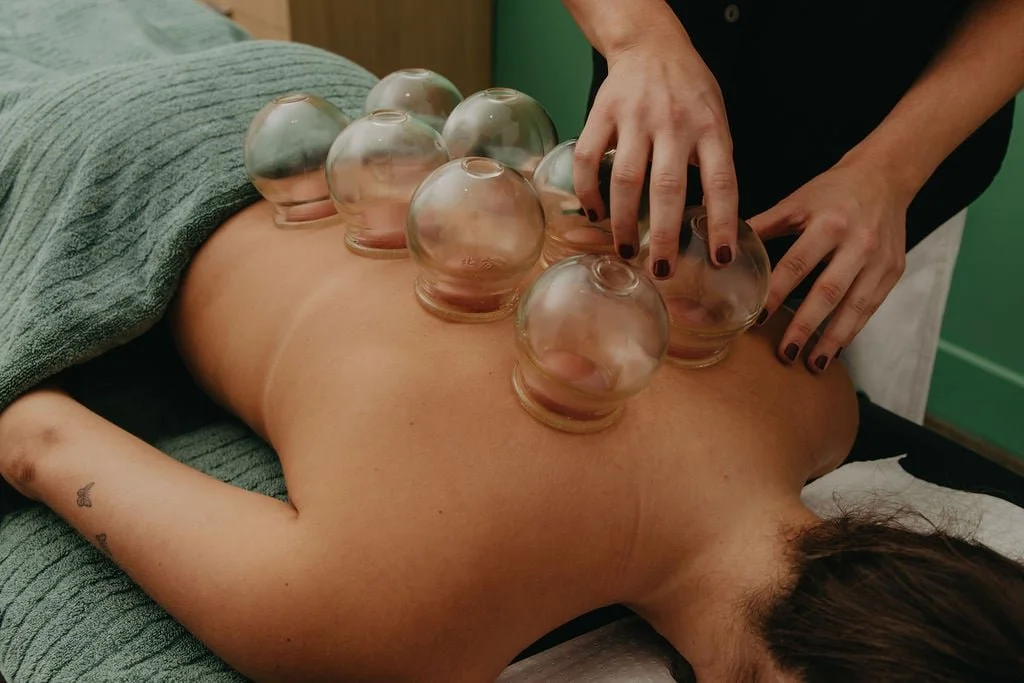
Hands-on treatment including active release, soft tissue work, and dry needling for fast relief.
Surgeries We Commonly Rehabilitate
Total Knee & Hip Replacement
Joint replacements require a structured rehabilitation program to restore range of motion, rebuild the strength of the surrounding muscles, retrain balance and proprioception, and guide a safe return to walking, stairs, and daily activities. Early physiotherapy following joint replacement is strongly associated with better outcomes and faster return to independence.
ACL Reconstruction
ACL reconstruction is one of the most rehabilitation-intensive orthopaedic surgeries, with a return-to-sport timeline typically ranging from nine to twelve months or longer. A well-structured program covers graft protection in the early stages, progressive quadriceps and hamstring strengthening, neuromuscular retraining, running mechanics, and sport-specific preparation before return to play is considered.
Rotator Cuff Repair
Shoulder surgery for rotator cuff tears requires a careful, phased approach to rehabilitation that respects the healing of the repaired tendon while progressively restoring range of motion and strength. Rushing the strengthening phase before adequate tissue healing is one of the most common causes of re-tear and extended recovery timelines.
Spinal Surgery (Discectomy, Fusion)
Post-surgical rehabilitation following spinal procedures focuses initially on pain management, safe movement, and returning to basic daily activities. As healing progresses, core stability, spinal mobility, and progressive loading are introduced to restore function and reduce the risk of adjacent segment problems or recurrence of the original symptoms.
Ankle & Foot Surgery
Rehabilitation following ankle ligament reconstruction, tendon repair, or foot surgery involves a graduated progression from non-weight bearing through to full loading, running, and sport. Proprioception, ankle strength, and gait mechanics are all addressed as part of a complete return-to-activity program.
Post-surgical recovery is not something that happens on its own. The quality of your rehabilitation directly determines the quality of your outcome. If you have recently had surgery or are planning a procedure and want to start your rehabilitation on the right foot, an assessment is the most important first step.
Book Visit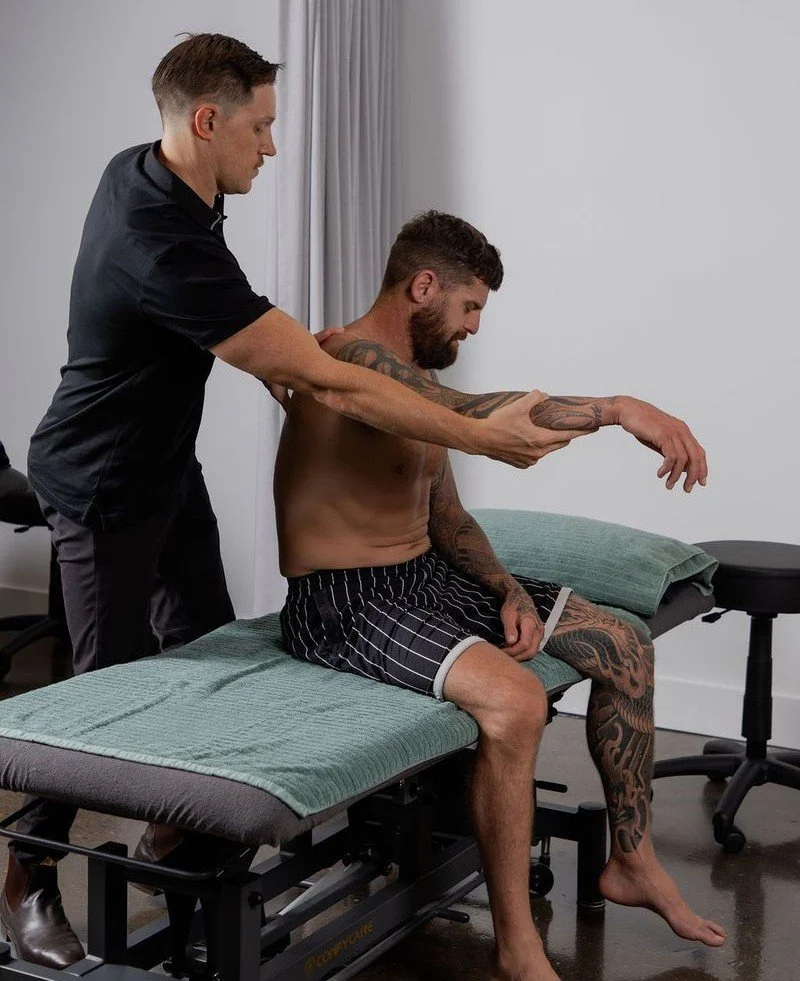
What to Expect From Post-Surgery Rehabilitation
Rehabilitation after surgery is a process with distinct phases that build on each other. Understanding what to expect at each stage helps you approach recovery with realistic expectations and the right level of effort.
Post-surgical rehabilitation works best when it begins early, progresses in a structured and evidence-based way, and is tailored to the specific surgery and the individual's goals. Starting rehabilitation with a clear plan gives you the best possible chance of a complete and lasting recovery.
Book NowFrequently Asked Questions About Post-Surgery Rehabilitation
When should I start rehabilitation after surgery?
This depends on the surgery. For many procedures, early rehabilitation within the first few days is strongly recommended to prevent stiffness, muscle atrophy, and complications such as blood clots. Your surgeon will provide guidance on when to begin, and your physiotherapist will work within those parameters from the first session. Starting rehabilitation promptly, even in the early stages of recovery, is consistently associated with better outcomes.
Do I need a referral from my surgeon to start rehabilitation?
In most cases, no. You can book a post-surgical physiotherapy assessment directly. It is helpful to bring any discharge paperwork, surgical notes, or post-operative instructions from your surgeon so your practitioner can understand the specific procedure performed and any precautions that apply. Where ongoing communication with your surgeon is important, we are happy to liaise with your surgical team.
How long does post-surgical rehabilitation take?
This varies enormously depending on the surgery. Some procedures, such as arthroscopic knee surgery for a minor meniscus trim, may require only four to six weeks of rehabilitation. Others, such as ACL reconstruction or total joint replacement, typically require six to twelve months for full recovery. Your practitioner will give you realistic expectations based on your specific surgery and progress.
What happens if I skip or rush rehabilitation?
Skipping rehabilitation or progressing too quickly is one of the most common causes of poor surgical outcomes. Without proper rehabilitation, muscles weaken, joints stiffen, and movement patterns that predisposed you to the original injury may remain unchanged. This significantly increases the risk of reinjury, prolonged pain, and the need for further intervention. Rehabilitation is not optional for a complete recovery.
Can I do rehabilitation at home or do I need to come in?
Most post-surgical rehabilitation programs involve a combination of in-clinic sessions and structured home exercises. In-clinic sessions allow your practitioner to assess your progress, perform hands-on treatment, and progress your program appropriately. Home exercises reinforce what is done in clinic and build the consistency needed for full recovery. The balance between the two is adjusted based on your surgery, stage of recovery, and individual circumstances.